Recessed Lighting vs. Surface-Mounted Fixtures: Which Is Right for the Space?
December 19, 2024 · 5 minute read
Recessed or surface mounted is presented as a style question, and it is partly one. But on most projects it is decided by the ceiling before anyone gets to style: what is above it, how far above, whether it is finished, and whether it can be cut. The optics inside a good recessed downlight and a good surface cylinder are the same. What differs is where the housing lives. Here is how the two compare on the things that actually decide it.
What each one is
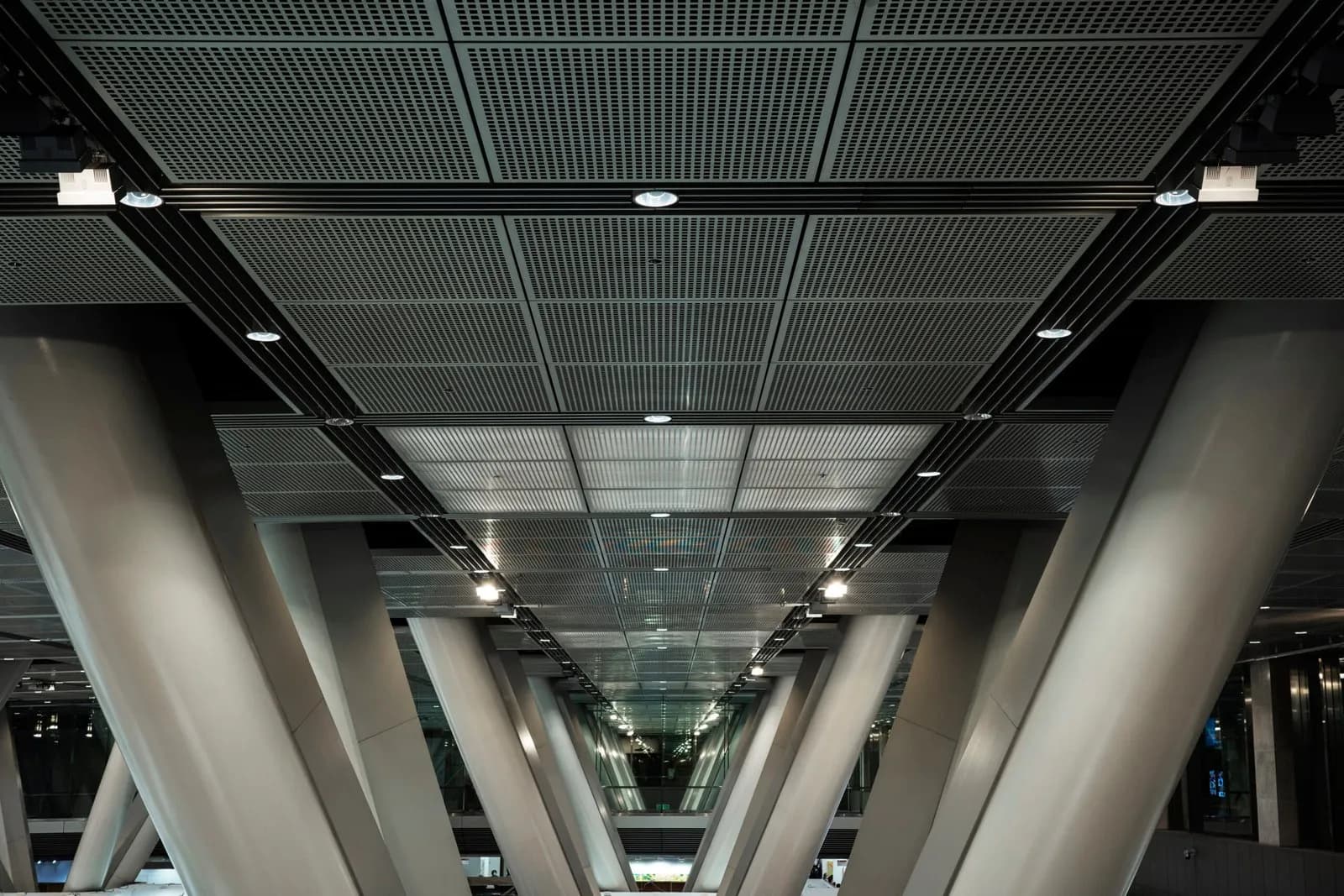
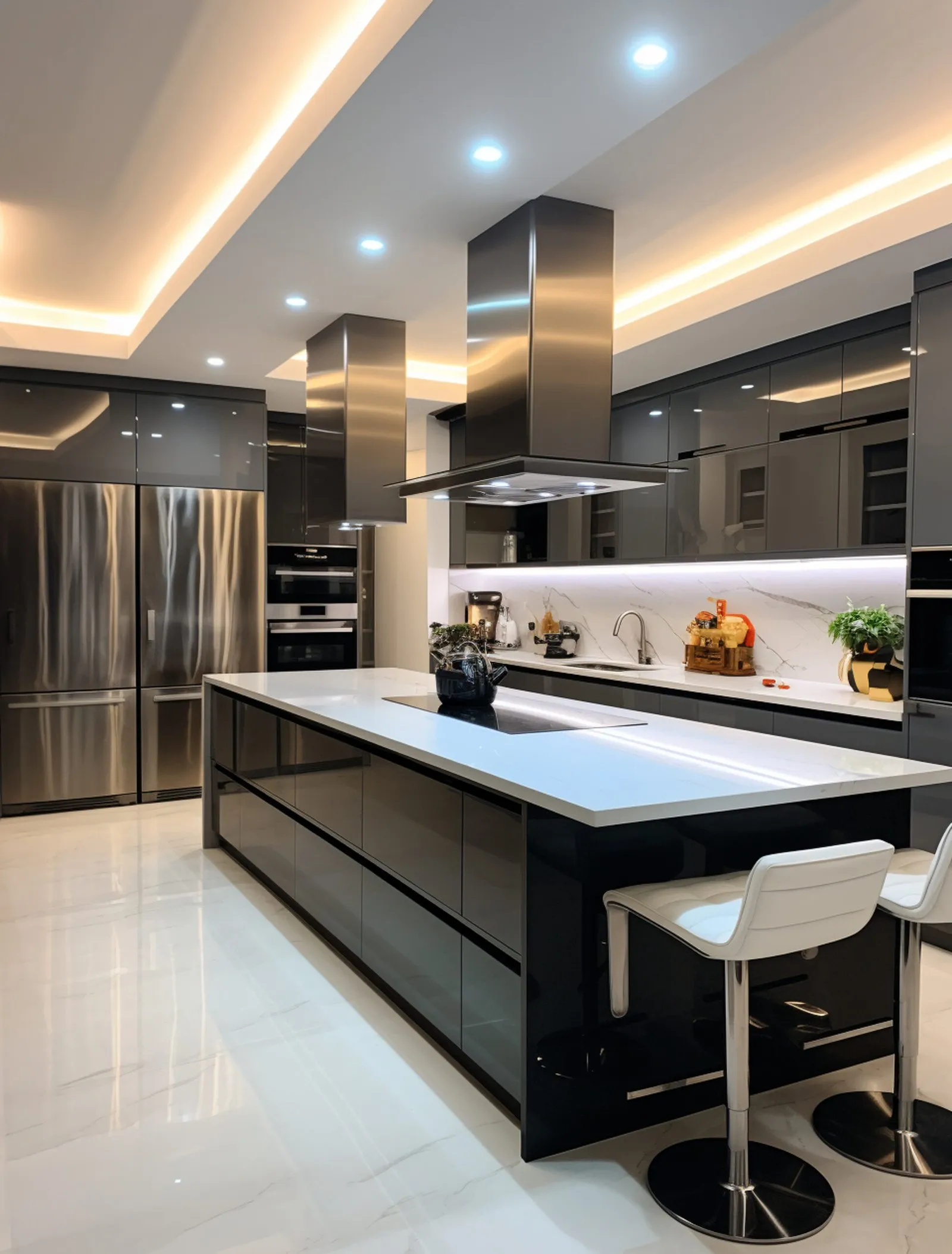
A recessed fixture sits in the ceiling void with only its aperture at the ceiling plane: a trimless opening plastered in, or a micro-flange trim a couple of millimeters wide. The light engine, the reflector and often the driver are above the ceiling. It needs a void to sit in, typically 4 to 6 inches deep for a small-aperture downlight, and access to that void either from above or through the cutout.
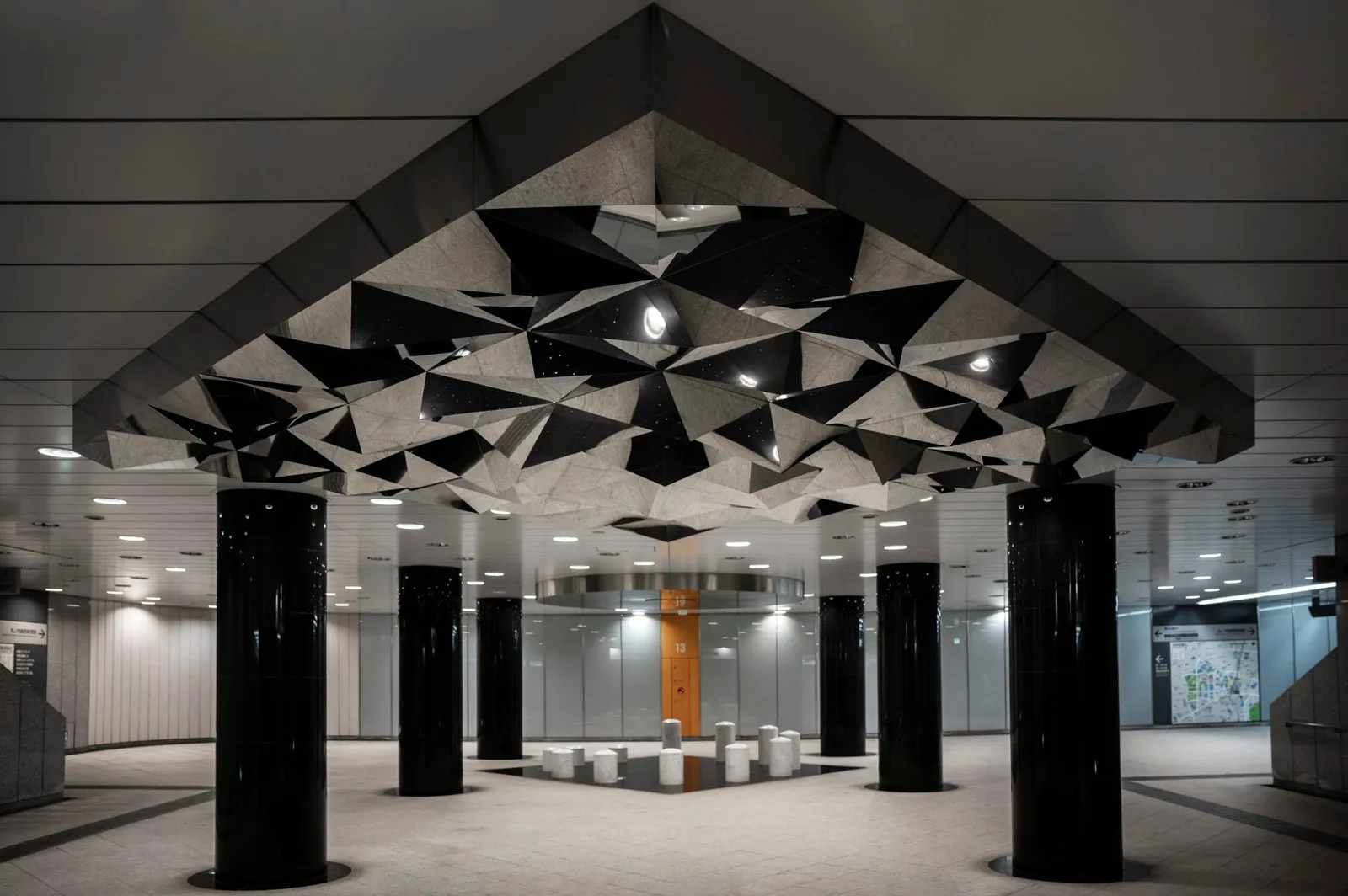
A surface fixture mounts on the finished face of the ceiling or wall, with its housing in the room. In the architectural range that means cylinders, fixed or adjustable, surface mounted track, and surface linear. In the decorative range it means pendants, flush mounts and sconces. It needs no void and no cutting; it needs a mounting point and a cable.
The ceiling decides more than the style does
Concrete, timber and exposed ceilings
A concrete slab, an exposed timber deck or a vaulted ceiling with no void has nowhere for a recessed housing to go. Surface is the only answer short of building a dropped bulkhead. This is the commonest reason a surface cylinder or a surface track appears on a residential schedule, and the fixtures are designed for it; our surface downlights carry the same optics as the recessed family, in fixed, adjustable and wall wash bodies, and read as deliberate rather than as a compromise.
Shallow voids and obstructions
A ceiling with 3 inches of void, or one crossed by ducts and beams at the places the plan wants fixtures, forces the same choice fixture by fixture. Rather than leaving gaps in a row where a duct passes, switch the whole row to surface so the line stays consistent.
Finished ceilings and retrofit
In a finished house, recessing means cutting holes, running cable through the void and patching plaster, which is a real job in a lath and plaster ceiling and a small one in drywall with attic access. Surface track is the retrofit answer where a run of adjustable light is wanted without opening the ceiling: one channel, one cable, and every head moves by hand afterward.
Insulation
A recessed housing in an insulated ceiling must be IC rated, or the insulation held clear of it. Surface fixtures avoid the question entirely, which matters in older houses where the insulation is loose fill.
Height and headroom
Under 8 feet, anything hanging into the room is in the way and recessed wins by default. From 9 to 12 feet, both work and the choice is stylistic. Above 12 feet, the problem reverses: a recessed downlight at 14 feet has to be bright and narrow to put useful light on a table, and a suspended track or a pendant that brings the source down to 8 or 9 feet does the job with less glare and less power. Tall rooms are where suspended linear and pendant fixtures earn their place.
Light quality
A recessed downlight with a deep regress and a black reflector shows a dark aperture from across the room; the source is out of sight until you are nearly under it. That is its great advantage in a living room or a bedroom, where the ceiling should stay quiet. A surface cylinder has the same regress inside its body, so the glare control is comparable, but the body is visible, and a row of cylinders is a design element whether or not it was meant to be.
Where surface fixtures win on light is flexibility. A surface track carries spots, linear modules and pendants that can be repositioned after the furniture arrives. A recessed layout is aimed once and fixed, adjustable engines aside.
Look
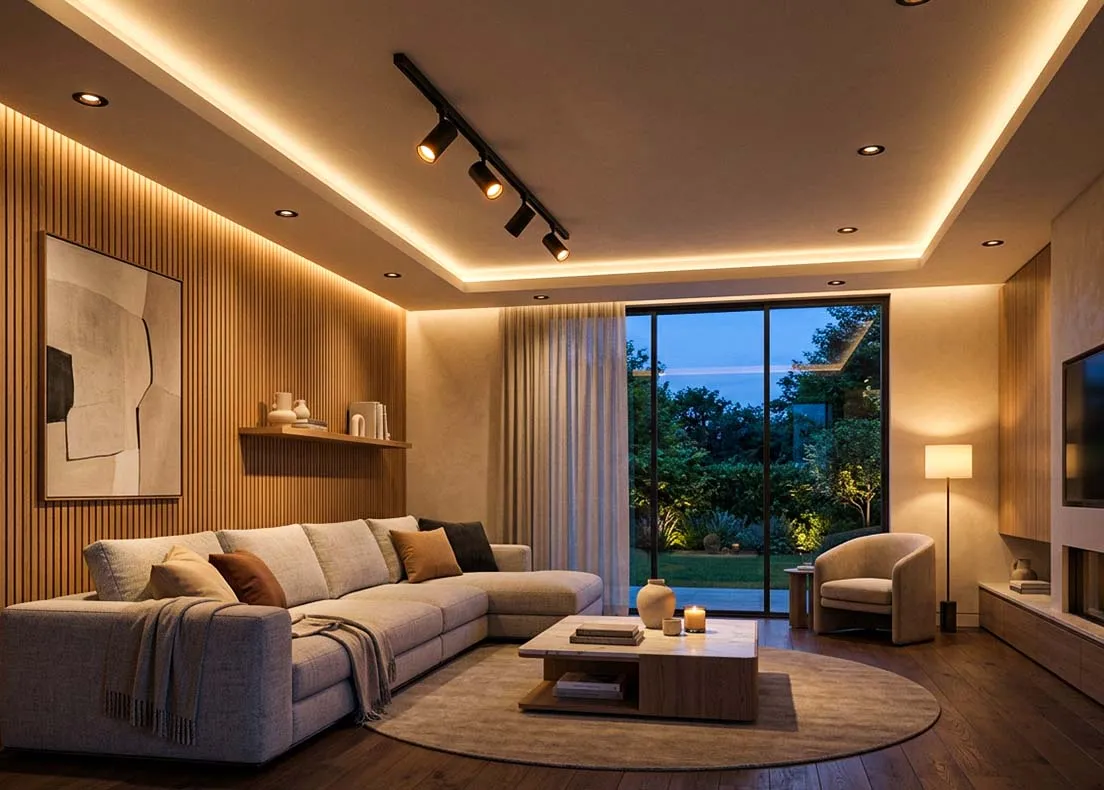
Recessed is the minimalist choice: a plaster ceiling with a few dark dots in it, or in a trimless install with nothing visible at all. It suits contemporary interiors, low ceilings, and any room where the walls and furniture are meant to carry the design.
Surface is the honest choice for an industrial or a loft interior, where the cylinders and the track read as part of the building's kit. It is also the choice where the fixture is meant to be seen: a decorative pendant over a table, sconces beside a mirror, a sculptural flush mount in an entry. Most houses use both, with recessed doing the work and one or two surface pieces doing the talking.
Cost
The fixtures cost about the same within a family. The difference is labor. Recessing in new construction is cheap, since the electrician is in the ceiling anyway. Recessing in a finished ceiling costs the cutting, the cabling and the patching. Surface mounting costs a mounting box and a cable run, and on a concrete ceiling it may need a conduit or a surface raceway, which is its own visual decision.
The short version
- Recessed: new construction or drywall with access, ceilings under 12 feet, rooms where the ceiling should disappear, insulated ceilings with an IC housing.
- Surface: concrete or exposed ceilings, shallow or obstructed voids, finished ceilings in a retrofit, tall rooms with suspended fixtures, and anywhere the fixture is meant to be part of the design.
- Both: most houses, with recessed downlights doing the general and task layers and surface pieces over the table, at the mirror and in the entry.
Combining them well
The rule when mixing is that the two families should share a color temperature, a color rendering standard and, ideally, a finish. A 3000K recessed layer with a 2700K pendant in the middle of it reads as a mistake. Black recessed trims with a black surface cylinder read as one system. And whichever family is visible, the other should be doing most of the work; a pendant lights the table, not the room, and the recessed layer around it is what makes the room usable.
Our recessed and surface downlights share the same light engines, so the same 97 CRI, the same color temperatures and the same beams are available either way. Tell us the ceiling build-up and we will say which family each room wants and lay it out.
Planning a project? Our lighting design service turns plans into a photometric plan, fixture schedule, and final aim. Start with a design brief.